The Jomon people lived by hunting, fishing and collecting shellfish (Jomon means 'cord marked'
because those people marked their pottery by wrapping cord around it). Then they learned to grow rice.
300 AD – 806 AD
(Kofun period)
Druing this time, Japanese traveled to China and came back with many ideas that were used there. For example, the
alphabet, paper, porcelain, silk and lacquer. Priests were sent from Korea to convert
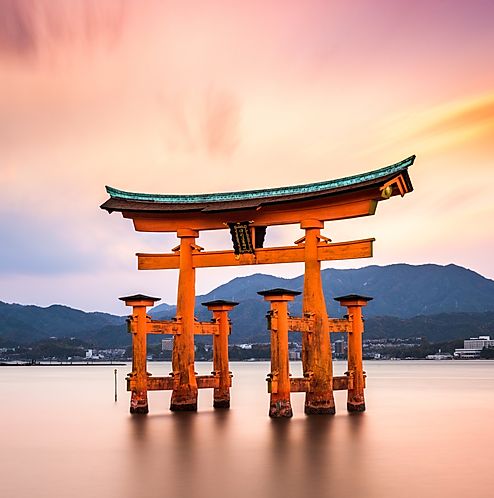
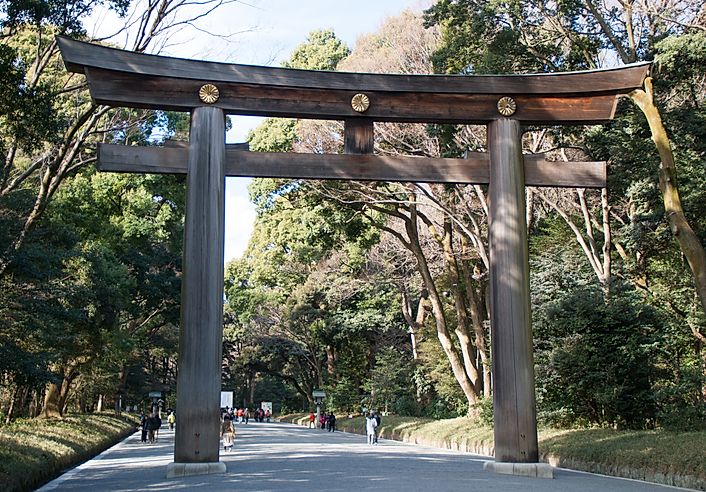
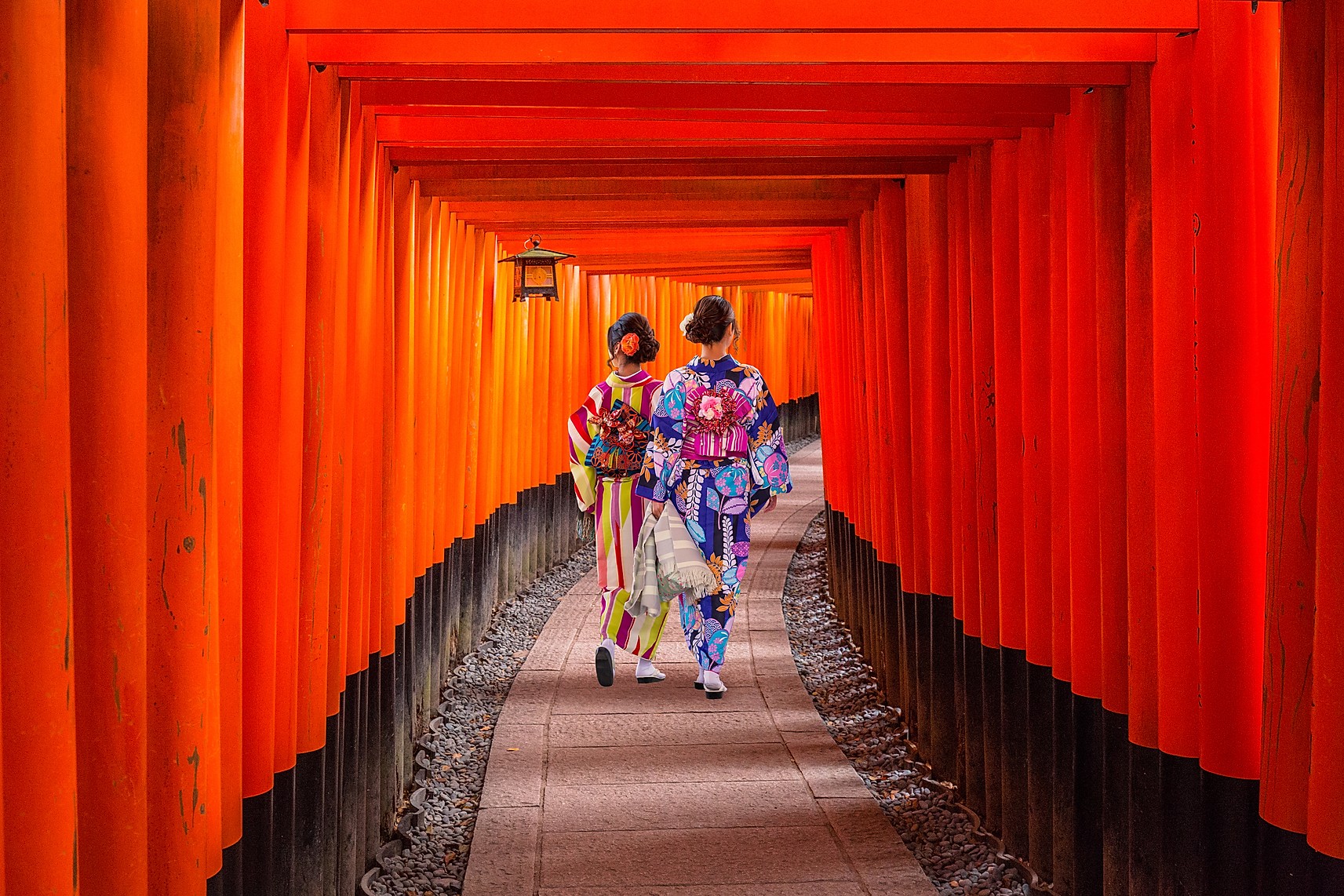
Japan to Buddhism. The native Japanese religion is called Shinto, which means 'the way of the gods'. Shinto
teaches that spirits are present everywhere in nature. After 646 all of Japan answered to the emperor. The capital
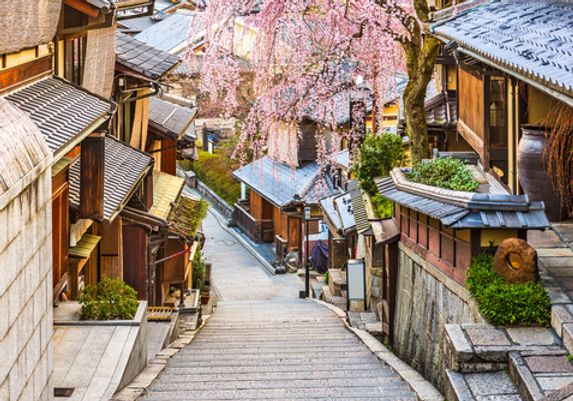
was Nara and the country was divided into provinces. Later Emperor Kammu moved the capital to Heian-Kyo, which means
'capital of peace' (Kyoto).
794 - 1185
(Heian period)
Lady Murasaki Shikibu wrote the world's first novel The Tale of Genji. Aristocratic families like the
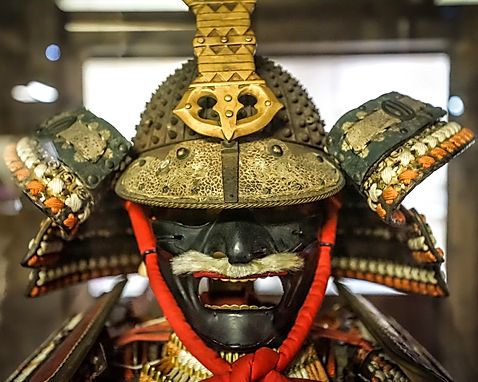
Fujiwara became very powerful and influencial on politics. Rich landowners employed private armies (warriors
were called Samurai = to serve). Eventually in 1180 civil war broke out between rival powerful families in Japan.
Taira vs Minamoto family - The Taira were finally defeated.
1192 - 1300's
Emperor gave Yoritomo the title Sei Tai Shogun*; in other words, he washed his hands. From now on the Shogun became the real
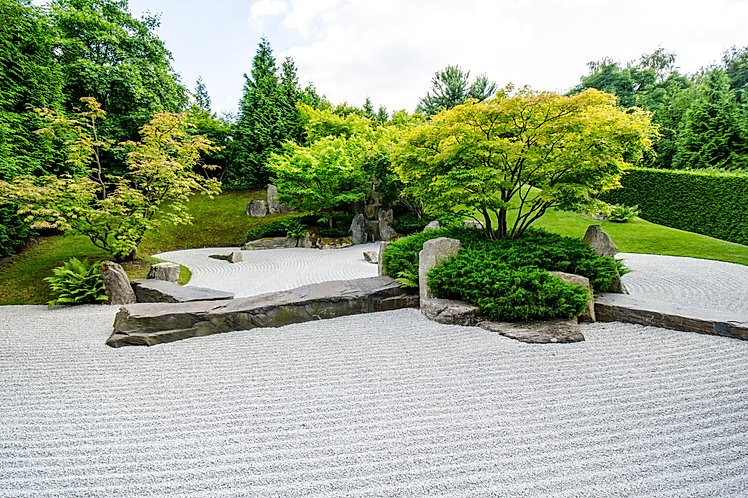
power in Japan ruling in the emperor's name. Zen Buddhism became popular (meditation)
which influenced gardening and flower arranging (Ikebana). Tea ceremony evolved in Japan.
Mongols tried to conquer Japan, but their fleet was scattered by a typhoon, they are lucky to live on an island, right?
The Japanese called the storm Kamikaze, which means divine wind.
(Commander-in-Chief of the Expeditionary Force Against the Barbarians)
1333 - 1600's
The Ashikaga family ruled from the Muromachi district of Kyoto. Remember that Kyoto still the capital. (Muromachi period)
Theater was developed in Japan. This period was like a couple deciding where to eat; in other words,
when they could not decide who will be the next Shogun, civil war broke out.
There was still an emperor, but he was only a figurehead. The Portuguese arrived with tobacco, sweet
potatoes, and clocks. Japanese learned to make handguns and cannons from them. Roman
Catholicism arrived; yeah believe it or not there are a lot of catholic japanese.
Fights between families for power continue until Tokugawa family won.
1600 - 1853
During the Tokugawa period an Englishman, William Adams arrived in a Dutch ship; he showed
the Japanese how to build two European style ships. The Shogun granted the Dutch and English trade.
Meanwhile Japanese merchants sailed to Thailand, the Philippines, and one (Tanaka Shosuke) sailed to Mexico.
Japanese began persecuting Christians becuase they feared they were a threat to Japan, so they shut
their country from foreigners. Kabuki theater and martial art of kendo developed during this period. One day, the Americans
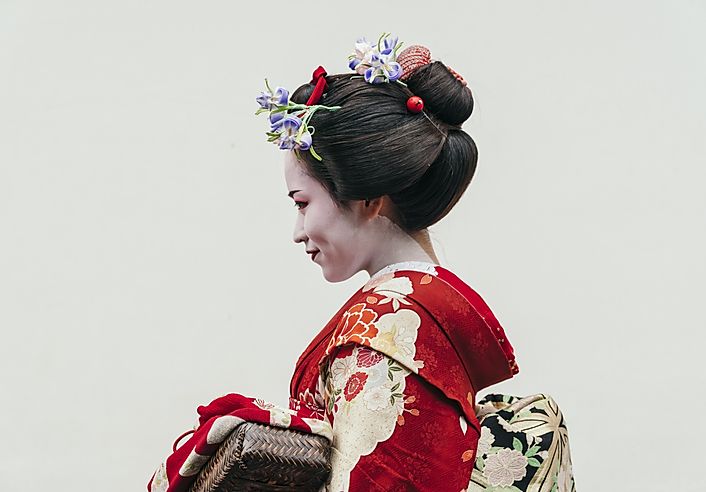
forced the Japanese to sign treaties; followed by France, Britain, the Netherlands and Russia. Geishas
were popular during this time. They were skilled entertainers at different Japanese arts, like playing music, dancing
and poetry.
1860 – 1900's
The Meiji Restoration - Resentment grew by the unequal and humiliating treaties that were imposed;
furthermore, Shogun lost power. A short civil war went between pro-emperor and pro-shogun, but Emperor Meiji won.
In a short period of time Japan grew to a modern industrial country with its capital in Tokyo. The Japanese
copied from the Germans the army and Constitution, and from the British, the navy. Some people were not happy
with these changes, so a Samurai rebellion led by Saigo Takamori broke out, but they were defeated, ending the
samurais. Remember the movie The Last Samurai by Tom Cruise, well that movie was inspired here.
Japanese went to war with Korea and China (Sino-Japanse) and won Formosa (Taiwan) and Port Arthur;
however, Russia, France and Germany forced Japan to give back Port Arthur.
1900's - 1939
After few years, Japanese went to battle again with Russia in order to reclaim Port Arthur. They
defeated Russian and became the first Asian power to defeat a European one. Japan annexed Korea and Emperor
Meiji died. World War I started and Japan joined the allies and took down German colonies in Asia. When the allies won,
Japan got to seat with the "Big Boys" now at the Treaty of Versailles. An event that marked the first step towards
WWII.
USA began to fear Japan and put restrictions like warships and immigration.
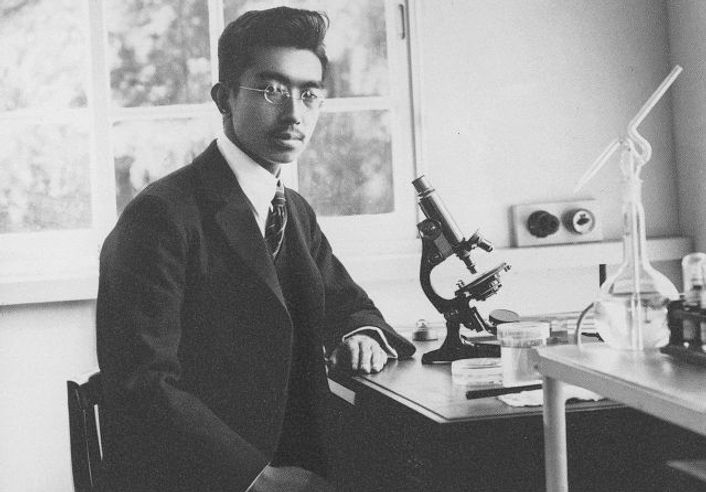
Later Hirohito became emperor. A mysterious explosion
in Manchuria damaged Japanese rail, and as an excuse, they took control of Manchuria and continued to invade parts of China.
1939 - 1945
World War II began, and Japanese joined the axis powers; they began invading Asia and the Pacific. USA felt
more threatened, so they banned exports of oil to Japan. Japan imported 80% of its oil from them.
On 7 December 1941, Japan sent a force of aircraft carriers and attacked the US Pacific fleet at Pearl Harbor.
USA entered the War. Japanese continued attacking the Pacific successfully until the battle of Midway Island
where they lost. The victory of the Pacific began to lean towards the allies. The British attacking from India,
Australians from New Guinea and Americans from the Pacific (Island Hopping
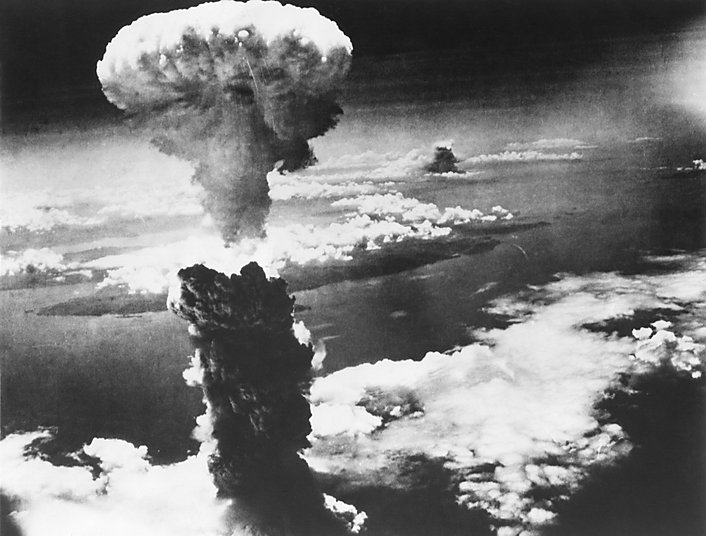
by General MacArthur). They refuses to surrender, so two atomic bombs were dropped at Hiroshima and Nagazaki.
Japan surrender and Americans set a base in Okinawa. During this time, some women who were not Geishas, dressed up
like that and made some money. Here comes the misconception that Geishas were prostitutes.
1946 - Current Era
Americans made the emperor publicly announced that he was not divine. USA made a new constitution for Japan.
Women could now vote and they put restrictions of weapon production. Korean War of 1950's began which gave a
boost to Japanese industry. The Liberal Democratic Party took power.
Japanese economy boomed and started exporting
huge amounts of electronics and vehicles. Emperor Hirohito died and Akihito became the emperor of Japan.
Today Japan is a prosperous
nation with a population of roughly 126 million. The actual emperor is Naruhito.
A virus known as Coronavirus or COVID-19 hits the world putting humans under quarantine.
Language: Japanese
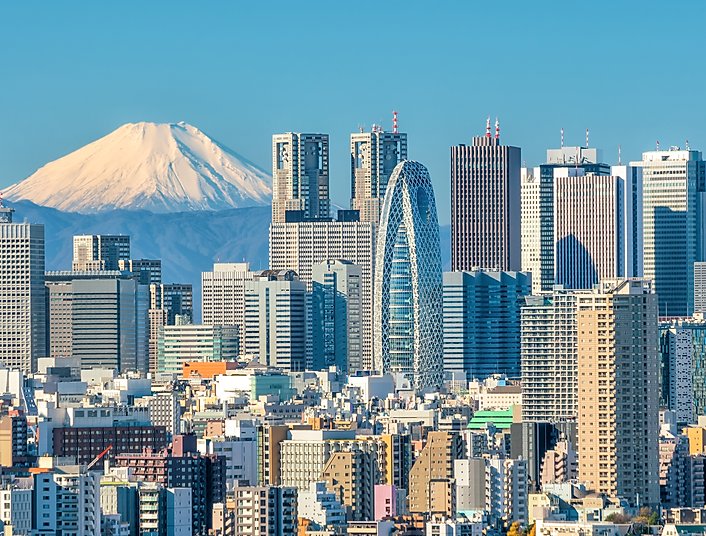
Capital: Tokyo
Currency - Yen
Emergency - Call 119
National Holidays:
New Year's Day (January 1st & 2nd)
Coming of Age (January 9)
National Foundation Day (February 11)
Spring Equinox (March 20)
Showa Day (April 29)
Constitution Memorial Day (May 3)
Greenery Day (May 4)
Children's Day (May 5)
Sea Day (July 17)
Mountain Day (August 11)
Respect for the Aged Day (September 18)
Autumn Equinox (September 23)
Sports Day (October 9)
Culture Day (November 3)
Labor Thanksgiving Day (November 23)
Emperor's Birthday (February 23)
1. Purchase a JR Pass in advance. This pass let you travel in trains between cities.
2. Withdraw money only from the ATMs at the post offices; otherwise, you will be hours in the phone with your bank.
3. Eigo o hanashimasu ka? (Do you speak English). Many Japanese regardless of being a first world country
do not speak English, but they will always try to help, be polite.
4. The legal drinking age is 20.
5. For some public bathrooms you will have to squat because they are in the floor.
6. Japan is one of the safest places in the world. Japanese people are very respectful and polite,
try not to be disrespectful. That does not mean you can not have fun.
Food:
The Japanese food that we are used to in some restaurants around the world, believe it or not, it is the most
common food over there; in other words, it could be consider street food: Tempura, Ramen, Yakitori, etc.
Japanese Gourmet Food is very exotic and not for everyone. Try to eat in the metro and trains stations,
you will be amazed.