The first culture that flourished in Mexico was the Olmec, after that many others came: Teotihuacan,
Mixtecs, Zapotecs, Toltecs, Mayans, and the Aztecs. The Mayans were credited in American continent for the use of
the zero. Their rule extended all the way to central America and they became popular during the 2011 as people
believed they predicted the end of the world by 2012 which they were only describing the end of a period.
We are going to focus on the Aztecs, who were the last civilization; they were a poor tribe
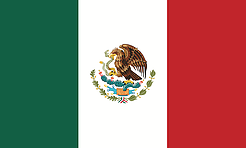
but with a lot of will to dominate. One day a priest told them to look for the sign which was an eagle standing
on a cactus in the middle of a lake devouring a snake (Mexico´s flag). If you think about, that sounds impossible to find.
However, they found it and built Mexico - Tenochtitlan (Mexico City).
They specialized in war and eventually dominated mostly everyone; therefore, becoming the powerful civilization.
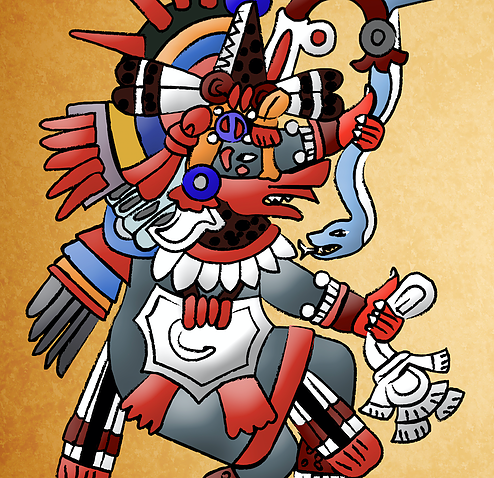
They got tributes all the way from central America in order not to get beaten by them. They had 3 important gods:
Huitzilopochtli, Tlaloc and Quetzalcoatl.
1510´s - 1520's
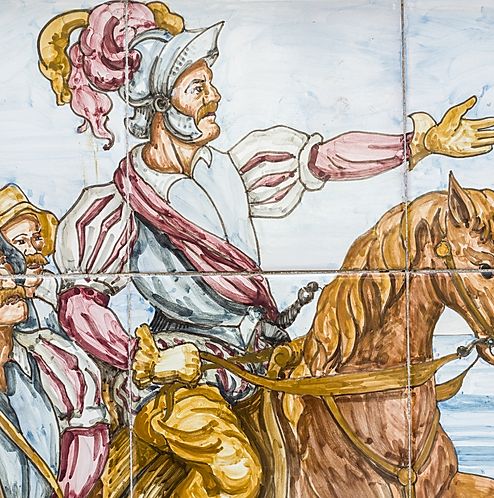
After Columbus' discovery, Hernan Cortes was in command of the expedition in Mexico. He arrived at Veracruz and
with the help of a native called Malintzin, explored the vast regions of this country. At the beginning he
became friends with the Aztecs, but he tricked them and went to war. He lost and reinforcements were coming from overseas.
It was a very difficult conquest and what
really helped Cortes was the sickness that Spaniards carried from Europe; moreover, the rest of the native tribes hated
the Aztecs and they wanted to stop paying tribute, so they helped Cortes. Those two factors gave Cortes the final
victory.
1530´s - 1800's
A viceroy was in charge of the colony.
Mexico was one of Spain's favorite colony that is why they called New Spain. They began christianizing all
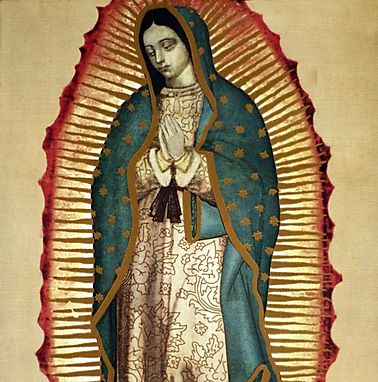
the indigenous people, and what really helped them was the story of the apparition of the Lady of Guadalupe
to Juan Diego. This Virgin has an enormous number of followers throughout Latin America.
Have ever wonder why
there are less african descendant people in Mexico than in other country in South America?
That is because Viceroy Antonio Sebastián Álvarez
de Toledo y Salazar, 2nd Marquess of Mancera (I know that you are thinking, is that his whole name? Yes!) was a
very racist person and prohibited any landing of ships with
African slaves; he sent them to Cartagena. During this era, a famous person named Sor Juana Ines de la Cruz, who was
a nun, dedicated her life to literature.
1800´s - 1830's
As any other story of Independence, the people born in Mexico were treated differently than the people
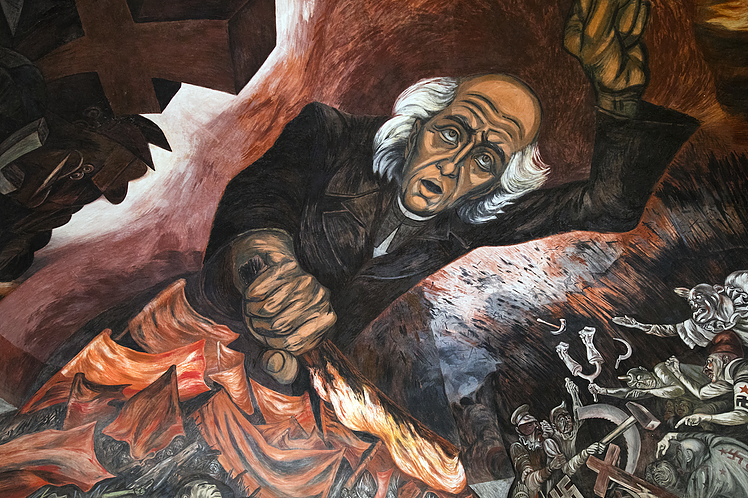
born in Spain. They were called criollos. A group formed by Miguel Hidalgo (priest),
Allende, Morelos, Aldama, y Josefa declared Independence on 1810. They took advantage that Napoleon invaded Spain and
King Charles IV was forced to abdicate. They began a long fight during almost one decade.
Mexico became a nation until 1821 while Ferdinand VII was the king. Guadalupe Victoria became the first President.
During the period of President Bustamante, many Mexicans wanted Imperialism back in the country. They made a plan
to help France invade Mexico. A bakery of a French Chef (Remontel) was looted and he demanded a large sum for the damages.
When no payment was met, King Louis-Philippe sent his troops to Mexico.
Frenchs were stopped at the Battle of Puebla (famous 5 de
Mayo).
1840´s - 1850's
Things financially were not going well. Mexicans were under the leadership of Antonio Lopez de Santa Anna.
Texas and California were looking for Independence. Mexico did not allowed them to separate, and in order to stop them,
they massacred everyone at the Alamo, San Antonio; however, Mexico lost Texas at the battle of San Jacinto.
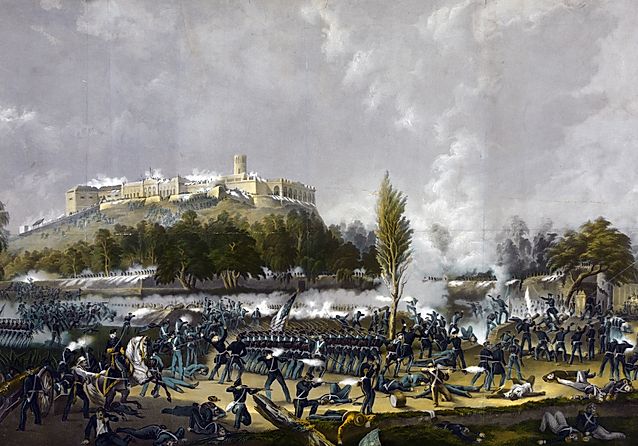
Texas became part of the U.S. and they took that opportunity to invade Mexico. Americans reached the capital and Mexican
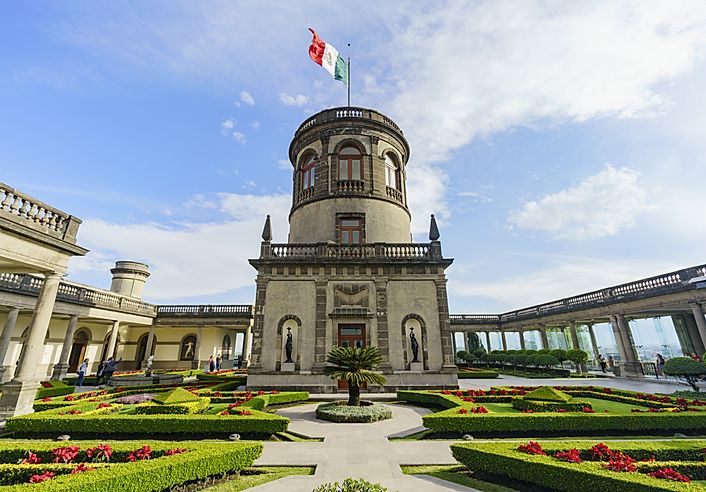
cadets fought valiantly at Chapultepec Castle. Mexico lost the war and was forced to sign the Treaty of Guadalupe Victoria where
Mexico lost 1/3 of the territory: Arizona, California, New Mexico, Texas, Colorado, Nevada, and Utah.
1850's - 1860's
President Benito Juarez took office and fought the Reform Wars; he was against the involvement of the army and Catholic
church in the government. A second French invasion took place and France won.
They crowned Maximilian I, from the famous house of Habsbourg
(Austria), Mexican Emperor. Juarez kept fighting and Andrew Johnson, U.S. President, recognized his government as he was a believer of the Monroe
Doctrine which rejected European powers in American Continent. U.S. told France of their support to Mexico. Napoleon III
withdrew his troops as Otto von Bismarck, Chancellor of Prussia was increasing his military. Maximilian short 3 year
reign ended with his execution.
1870's - 1910's
After a few years a new revolt erupted, a general called Porfirio Diaz rose to power and
became the President. His reign lasted 35 years. Believe it or not this was Mexico's Golden Age.
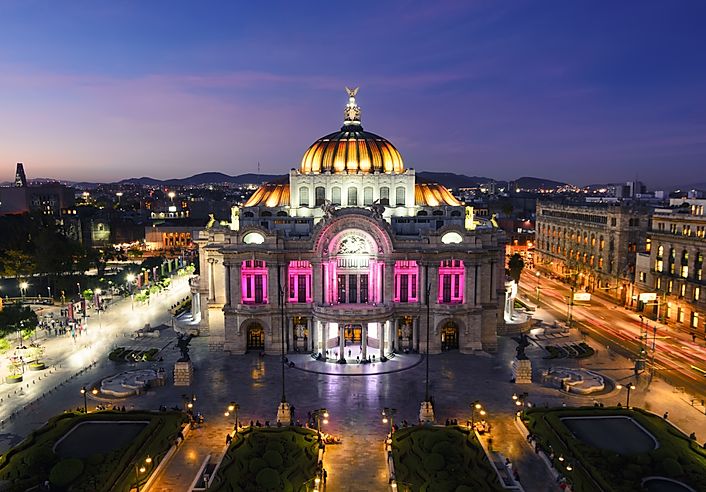
Railroads and Palacio de Bellas Artes were built. Mexico City became a busy metropolis and
sadly most of the rich people benefited from it.
1910´s - 1930´s
People were tired of having Porfirio Diaz as President and most of the poor people lack the right of
having a small piece of land. Madero became President and promised democracy. Two famous
revolutionaries were Emiliano Zapata (South) and Pancho Villa (North) denied Madero's Presidency and Mexican Revolution began.
It lasted 10 years and on 1823 Obregon, now the President, instituted an educational reform led by Jose Vasconcelos.
Works from artists like Diego Rivera, Frida Khalo, Juan Rulfo, and others flourished.
1930´s - 2000´s
After the Mexican Revolution a political party called PRI became the most powerful party and it
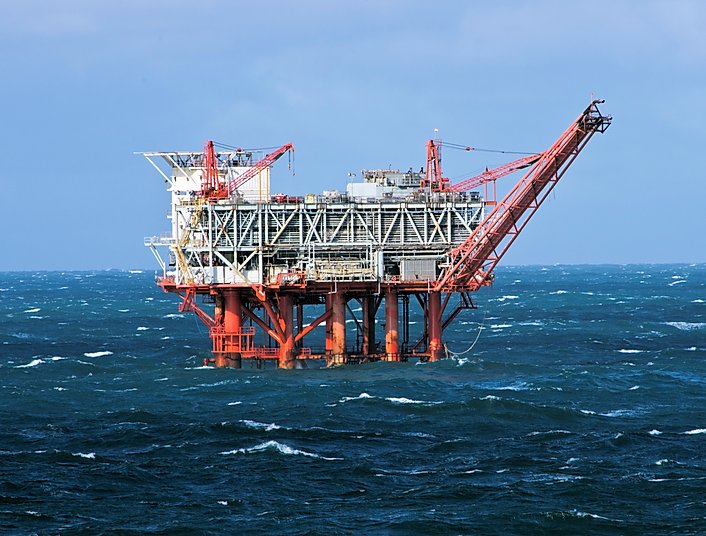
ruled Mexico over 70 years. One of the Presidents from this party, Lazaro Cardenas, made the
nationalization of the country’s oil industry. During WWII, Mexican Air Force joined the Allies.
Mexico's gap between rich and poor continued to grow over the years. On September 19, 1985, an
earthquake in Mexico City kills nearly 10,000 people.
2000's - Current Era
On the year 2000, PAN (political party) won, leaded by Vicente Fox. His successor Felipe Calderon became famous
for its war against drug cartels. After 12 years the PRI won again for only one term. Today Mexican's President
is Andrés Manuel López Obrador who has become a very controversial President.
A virus known as Coronavirus or COVID-19 hits the world putting humans under quarantine.
Language: Spanish
Capital: Mexico City
Currency - Peso
Emergency - Call 911
National Holidays:
New Year's Day (January 1st)
Three Kings Day (January 6)
Constitution Day (February 5)
Benito Juárez (March 21)
International Workers' Day (May 1)
Independence Day (September 15 & 16)
Day of the Dead (November 1 & 2)
Revolution Day (November 20)
Christmas (December 24 & 25)
Food:
Mexican food is one of the most extensive cuisines in the world. Mexico is famous for its tacos, enchiladas, mole, ceviche, and many other dishes. Spicy is another word that comes to mind while talking about Mexican food and
is true, Mexicans eat a lot of spicy (salsa); however, not all the food is spicy. If a Mexican tells you: "No
pica" (It is not spicy), believe me it could be.
1. Street food is amazing, but ask a local for advice. Do not drink water unless is bottled.
2. Tips are a big thing in Mexico. In restaurants the minimum is 10% unless you want to give more. You should also tip the guy who takes care of your car, help you out in the market, etc. This tips could range from 5 to 20 pesos.
3. There are a lot of places that do not take credit card make sure to have cash.
4. The legal drinking age is 18 years old. If you are going out in Mexico make sure you dress right. They can deny the admission if you do not go well dressed.
5. You can walk even at night in many areas, but all these areas should be touristic places.
6. If you are buying something in the street try to bargain.